Tensions Flare: Energy Ceasefire Collapses as Ukraine Strikes Russian Refinery Amid Rift with Washington
The geopolitical situation in Eastern Europe has taken a turbulent turn. Following allegations that Moscow failed to honor a brief halt on energy infrastructure targeting, Ukrainian forces launched a long-range drone attack against a major oil refinery roughly 300 kilometers (180 miles) southeast of the Russian capital, causing a substantial fire at the facility.
The strike marks an explicit end to the temporary energy truce and underscores a growing rift between leadership in Kyiv and Washington.
Deepening Friction with the U.S. Administration
The resumption of strikes against energy targets follows mounting frustration over recent diplomatic and military developments:
- Sustained Russian Attacks: Ukrainian officials expressed anger over ongoing Russian air strikes against domestic power grids, pointing out that Moscow showed little regard for earlier calls from Washington to halt infrastructure bombardments.
- Operational Restrictions: Ukrainian leadership voiced severe concern over missing critical satellite intelligence normally supplied by Western allies to track incoming ballistic missiles, as well as new speed throttling on satellite communication terminals vital for battlefield coordination and drone operations.
- Energy Import Agreements: Strong criticism was directed at recent U.S. agreements to purchase Russian diesel. Ukrainian leadership warned that such commercial deals undermine global isolation efforts and financially sustain the conflict, which has now crossed the four-and-a-half-year mark.
During a recent interview, Ukrainian leadership openly expressed feelings of betrayal regarding these strategic shifts, questioning why key communication links were restricted and warning that the U.S. risk being positioned on the wrong side of history.
Washington’s Counter-Perspective and Rising Rhetoric
In response, the American administration offered sharp criticism of Kyiv’s strategic choices. Public statements highlighted a clear distaste for the decision to resume strikes on energy infrastructure and expressed frustration over a perceived reluctance to negotiate a settlement with Moscow.
Key diplomatic stances from the U.S. include:
Official Stance: U.S. leadership suggested that achieving peace with Moscow remains a priority and questioned the current leadership’s approach, even raising the idea of future elections. Meanwhile, tech leadership clarified that military-grade satellite systems remain under direct control of the U.S. military and executive administration.
Despite these sharp exchanges, U.S. officials maintain that intelligence sharing was never fully cut off and emphasize that Ukrainian forces continue to operate with advanced American-supplied hardware.
European Alliances and Battlefield Updates
Faced with uncertain U.S. backing, Ukrainian officials traveled to Brussels and London to rally stronger commitment from European partners. Top EU foreign policy representatives reaffirmed their position, emphasizing that pressure must be placed on the aggressor rather than forcing concessions from the country defending its territory.
On the ground, combat operations continue to intensify on both fronts:
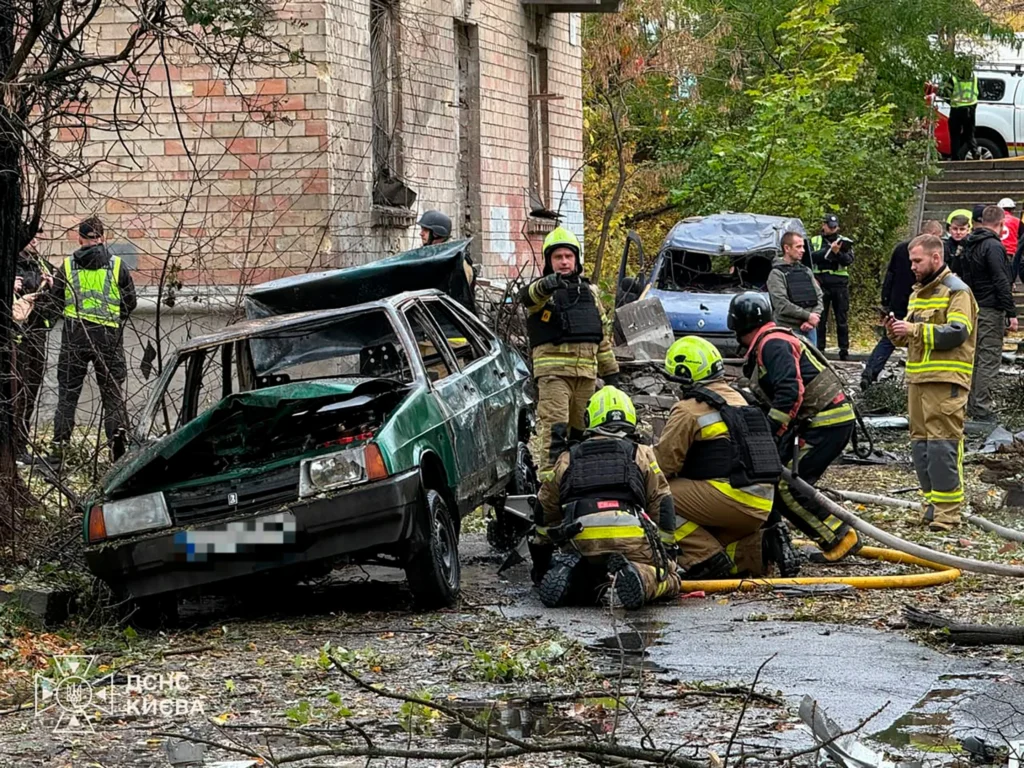
- Massive Drone Waves: Russian forces launched a barrage of over 850 drones across 15 regions in Ukraine, resulting in civil casualties and severe infrastructure damage, though Ukrainian air defenses successfully intercepted hundreds of incoming targets.
- Counter-Air Field Strikes: Ukrainian missile strikes successfully targeted a military airfield in southwestern Russia, destroying six combat aircraft utilized for heavy glide-bomb missions.
- Defense Claims: The Russian Defense Ministry reported shooting down 166 incoming Ukrainian drones overnight while targeting maritime vessels transporting military cargo.
💬 What Are Your Thoughts?
How do you see this shift in U.S. diplomacy affecting the long-term trajectory of the conflict? Can European nations fill the support gap if U.S. policy pivots further?