Cycling Through the Southernmost Town on Honshu: A Journey of Mountains, Sea, and Culture in Kushimoto
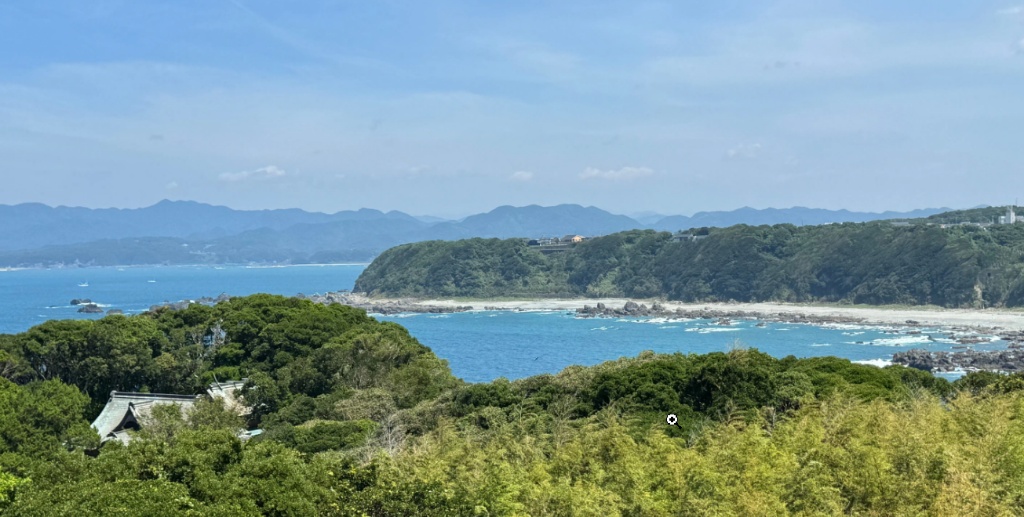
Kushimoto, located at the southern tip of Japan’s Kii Peninsula, is a seaside town perfect for a short getaway. It offers a laid-back, anime-esque rural atmosphere—featuring the southernmost train station on Honshu, quaint detached houses, a post office, and an elementary school—alongside attractions like the Shionomisaki Lighthouse, viewpoints linked to traditional whaling culture, and spectacular rocky coastal scenery. Renting an electric bicycle allows you to easily traverse the landscape between the countryside and the sea, soaking up the town’s charming, unhurried pace.
Kushimoto is a coastal town on the Kii Peninsula served by Japan Railways; a sign standing on the hillside next to the station marks it as the “Southernmost Station on Honshu.” As train services are infrequent, be sure to plan your itinerary according to the timetable unless you are staying overnight in Kushimoto. Passenger numbers in this rural area are low; the journey offers views of lush green mountains on one side and the azure sea and rocky shores on the other, passing by vibrant green rice paddies where children can occasionally be seen cycling to school.
Although Kushimoto Town has a small population and lacks flashy, modern architecture, it boasts excellent tourism facilities. A tourist information center is located right next to the train station, while the station plaza features bus and taxi stands. Kushimoto is a cyclist-friendly destination; renting an e-bike at the tourist information center is a simple process involving filling out an English form, providing a passport copy, and paying by credit card or cash. Staff members demonstrate how to unlock and operate the bikes. The seats are adjustable, the batteries come fully charged, and lightweight helmets are provided.
The main commercial area is concentrated along the street in front of Kushimoto Station, exuding a nostalgic Showa-era atmosphere. Aside from the heavy traffic on the main thoroughfare, the area generally offers a peaceful, solitary cycling experience. Heading from the town center toward Shionomisaki, a coastal route allows cyclists to enjoy magnificent views of the Pacific Ocean. For a taste of local life, one can take a turn at the fork after entering the Shionomisaki area and ride into the interior. As you ascend into the residential district, you pass detached houses with gardens, an elementary school, and a post office—scenes reminiscent of a laid-back Japanese countryside village. At the southern tip lies a grove of trees where dappled sunlight and cool greenery help dispel the summer heat.
Climbing the Lighthouse for a Panoramic View of the Magnificent Seascape
After cycling out of the woods and crossing the scenic loop road, head toward the coast and park in front of the Shionomisaki Lighthouse. Purchase a ticket to enter and explore the site. As one of Japan’s first eight Western-style lighthouses, it sits on a promontory offering expansive views; nearby stands an ancient whaling lookout known as “Kujira-yamami.” The area is dotted with uniquely shaped reefs, creating one of Kushimoto’s most spectacular coastal vistas. Deep blue waters crash against the rocks, sending up waves that shift between shades of blue and white—a dynamic interplay of nature alongside the lush vegetation clinging to the cliffs.
The whitewashed Shionomisaki Lighthouse features an exhibition room on its ground floor detailing the structure’s function and construction, as well as the history and distribution of lighthouses along Japan’s coast. Visitors ascend 68 steps followed by a ladder to reach the observation deck. From this vantage point, gazing out at the Pacific Ocean and looking down at the Shionomisaki Shrine nestled in the woods—with the strong sea breeze whipping around you—you cannot help but feel that this is the true essence of the sea.
Tectonic Compression Shapes a Unique Landscape
Cycling eastward along the sightseeing route, one catches sight of the pale blue Shionomisaki Tourist Center in the distance; it offers a variety of souvenirs as well as dining services. A vast expanse of greenery stretches along the coast, and a monument marking the “Southernmost Point of Honshu” stands near the cliff’s edge, where black pine trees frame a distinctive view of the sea. Nearby sits the single-story “Shiokaze Rest Station,” featuring ocean-facing seating, vending machines, and restrooms, along with an exhibition dedicated to Thursday Island in Australia. Skilled divers from Kushimoto once traveled some 5,000 kilometers to that island to make a living harvesting pearl oysters for button-making. This high-risk profession claimed many lives; while some divers were laid to rest in a foreign land, others settled down and started families there. The two regions maintain friendly ties to this day, having jointly erected commemorative sculptures and monuments at the site.
Adjacent to the Shionomisaki Tourist Center lies the Nanki Kumano Geopark Center; the town of Kushimoto is a key component of the Nanki Kumano Geopark. The exhibits vividly showcase unique landforms shaped by tectonic plate compression and explain the origins of the region’s centuries-old spiritual traditions—where extraordinary geological phenomena inspired reverence for mysterious, unknown forces. Thanks to fertile volcanic soil, Wakayama is renowned as the “Land of Trees,” while the Kuroshio Current brings abundant marine resources to the Kii Peninsula, fostering coral ecosystems rarely found at such high latitudes.
I had initially thought Kushimoto was merely a destination for a half-day trip. Yet, after cycling for hours under the scorching sun and sea breeze, I not only encountered stunning coastal and mountain scenery but also broadened my knowledge through the various exhibitions. Regrettably, lacking the time to visit Kii-Oshima, I had to rush to catch a train to Shirahama. As I cooled off in the air-conditioned carriage, I found myself wondering: when might I return to Kushimoto?